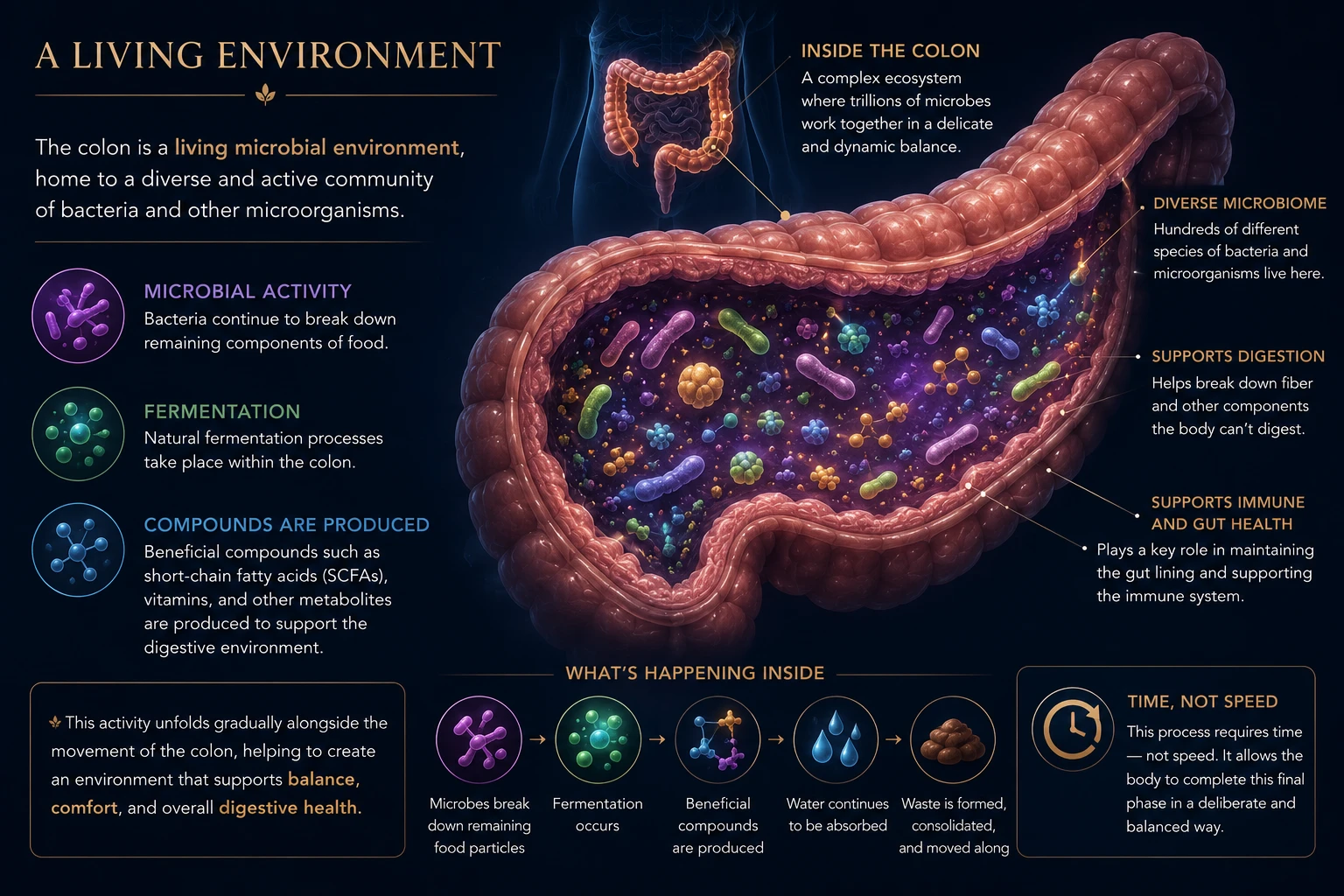
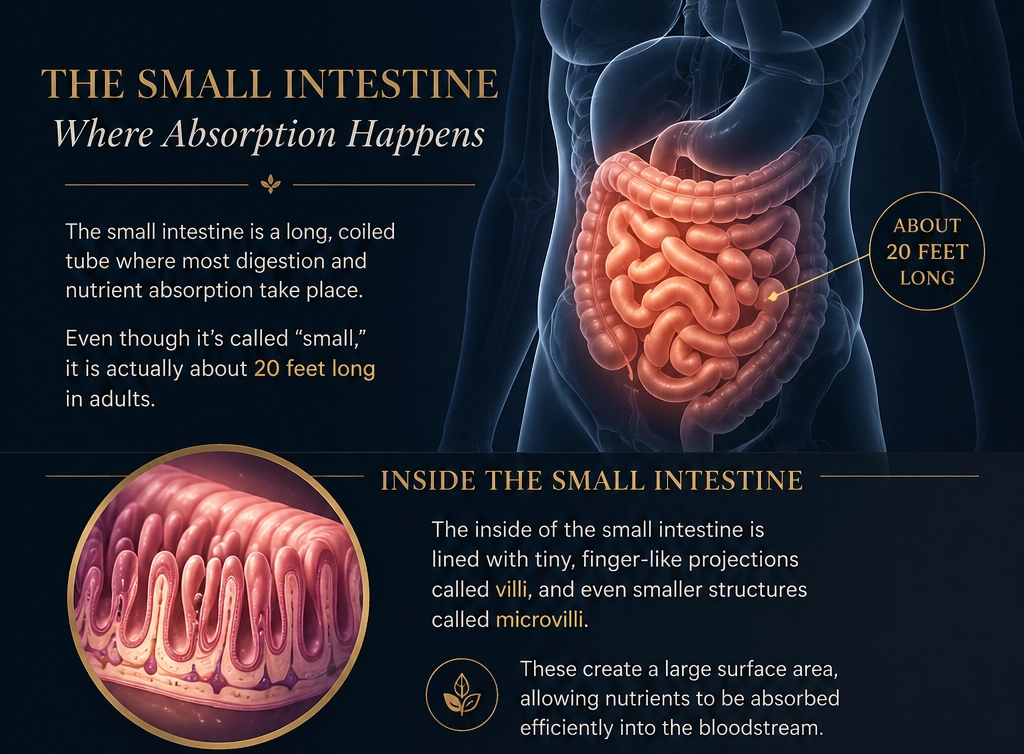
Last month, we completed our journey through the three Foundations of Digestive Living™—Appropriation, Assimilation, and Elimination. Together, we explored how the body receives nourishment, transforms it into usable nutrients, and completes the digestive process through healthy elimination. But digestion doesn't happen in isolation.
It is constantly responding to what's happening around us—and within us.
One of the greatest influences on digestion is stress. Before we can understand how stress affects the stomach, intestines, or other digestive organs, we first need to understand what stress actually is and how the body responds to it. Because when we understand what the body is doing...we begin to understand why digestion changes.
What Is Stress?
When most people hear the word stress, they immediately think of busy schedules, deadlines, bills, traffic, or difficult conversations.
While these situations certainly create stress, stress itself is not the event.
Stress is the body's natural response to any demand that requires it to adapt or respond.
That demand may be:
Physical
An injury, illness, surgery, pain, poor sleep, or overexertion.
Emotional
Relationship challenges, grief, anxiety, fear, frustration, or loneliness.
Chemical
Poor nutrition, excessive alcohol, smoking, certain medications, environmental toxins, or blood sugar fluctuations.
Environmental
Extreme temperatures, noise, pollution, or significant changes in our surroundings.
Psychological
Deadlines, financial concerns, major life transitions, uncertainty, or simply the thoughts that occupy our minds.
In other words, stress isn't always something we can see.
It is how the body interprets and responds to what it believes requires protection or adaptation.

The brain and body are constantly communicating. Our thoughts, emotions, and experiences can influence how our body responds to stress.
I often tell my clients,
"When you're under stress, your stomach is like a tight fist."
Of course, the stomach doesn't literally become a fist.
But it's a simple way to picture what happens when the body shifts its priorities.
Instead of focusing on digestion... the body begins preparing for protection.
Muscles tighten.
Breathing changes.
Blood flow is redirected.
Digestion slows.
The stomach may feel tight, uncomfortable, or "knotted."
Many people have experienced this feeling before a difficult conversation, an important presentation, or during a stressful season of life. The body is doing exactly what it was designed to do. The challenge is when this protective response continues day after day.

One of the most fascinating things I've learned over the years is that the brain and body are constantly communicating.
Our thoughts... our emotions... our experiences... and even our memories... can influence how our body responds to stress. The body isn't trying to make life difficult. It is trying to keep us safe.
Understanding this simple truth changes how we begin to see our symptoms—not as the body working against us, but as the body responding to what it perceives is happening around us.
Your Body Was Designed to Protect You
One of the most remarkable things about the human body is that its first priority is survival.
Long before we had modern medicine, cars, or busy schedules, our ancestors depended on their body's ability to recognize danger and respond immediately. If a wild animal appeared or a life-threatening situation arose, there wasn't time to digest a meal—the body needed to react instantly.
To protect us, the brain quickly signals the body to prepare for action.
At the same time, digestion temporarily becomes a lower priority.
This doesn't mean digestion isn't important. It simply means that, in that moment, the body believes your immediate safety comes first.
This response is incredibly intelligent and has helped humans survive for thousands of years.
The challenge today is that our bodies often respond to emotional and psychological stress in much the same way they would respond to physical danger. A difficult conversation, financial worries, work pressures, or ongoing anxiety can trigger this same protective response—even though there is no immediate physical threat.
When the stressful situation passes, the body is designed to return to a state of calm, allowing digestion, repair, and restoration to resume.
However, when stress becomes chronic and the body remains in this protective mode for extended periods, digestion may not function as efficiently because the body continues prioritizing protection over nourishment.
Try This
Create a Moment of Safety
This week, take just two minutes when you notice yourself feeling rushed, overwhelmed, or tense.
Before reaching for your phone, your next task, or even your next meal, pause and ask yourself:
- What am I feeling right now?
- What is my body trying to tell me?
- What do I need in this moment?
Then place one hand over your stomach and take five slow, gentle breaths. As you exhale, allow your shoulders, jaw, and abdomen to soften.
Sometimes the most important conversation we have isn't with someone else—it's with ourselves. Learning to acknowledge difficult emotions, process them in healthy ways, and intentionally move forward may help reduce the burden chronic stress places on both the mind and body.
Remember, you may not be able to change every stressful circumstance, but you can begin changing how your body experiences it.
Chef J's Reflection
One of the reasons I'm so passionate about teaching nutrition and wellness is because I've seen how powerful understanding can be.
Our bodies are not our enemies. More often than not, they're doing exactly what they were designed to do—protecting us, adapting to change, and continually working to restore balance.
My hope is that each newsletter helps you better understand the remarkable design of your body and gives you practical ways to support it with intention and compassion.
Because when we understand how the body works, we can begin working with it instead of feeling like we're constantly working against it.
Looking for Personalized Support?
No two people experience stress the same way, which is why there is no single solution that works for everyone.
During a wellness consultation, we'll look at the whole picture—your health history, nutrition, digestion, lifestyle, sleep, and daily stressors—to develop a personalized plan that supports your body's unique needs.
Together we may explore:
- Nutrition and meal planning
- Culinary strategies that support digestive health
- Stress-supportive lifestyle practices
- Vitamins, minerals, and botanical preparations, such as Bach® Flower Remedies, when appropriate
- Other nutritional supplements that may complement your overall wellness plan
My goal is to help you understand your body so you can make informed choices that support long-term health and well-being.
In-Person (Houston) & Virtual Consultations Available
Visit: ChefJ.xyz
Next Month
Beyond the Stomach
We've explored how stress prepares the body to protect itself. Next month, we'll discover how prolonged stress can influence the remarkable organs working quietly behind the scenes—the gallbladder, pancreas, spleen, and appendix—and why each plays an essential role in digestion, nourishment, and overall wellness.
Until then...
Understanding your body is the first step toward nourishing it. Every small step toward awareness is a step toward better health.
Stay curious. Nourish deeply. Live well.
— Chef J